
Electric Chassis for Buses: Current Technologies, Challenges, and Future Trends
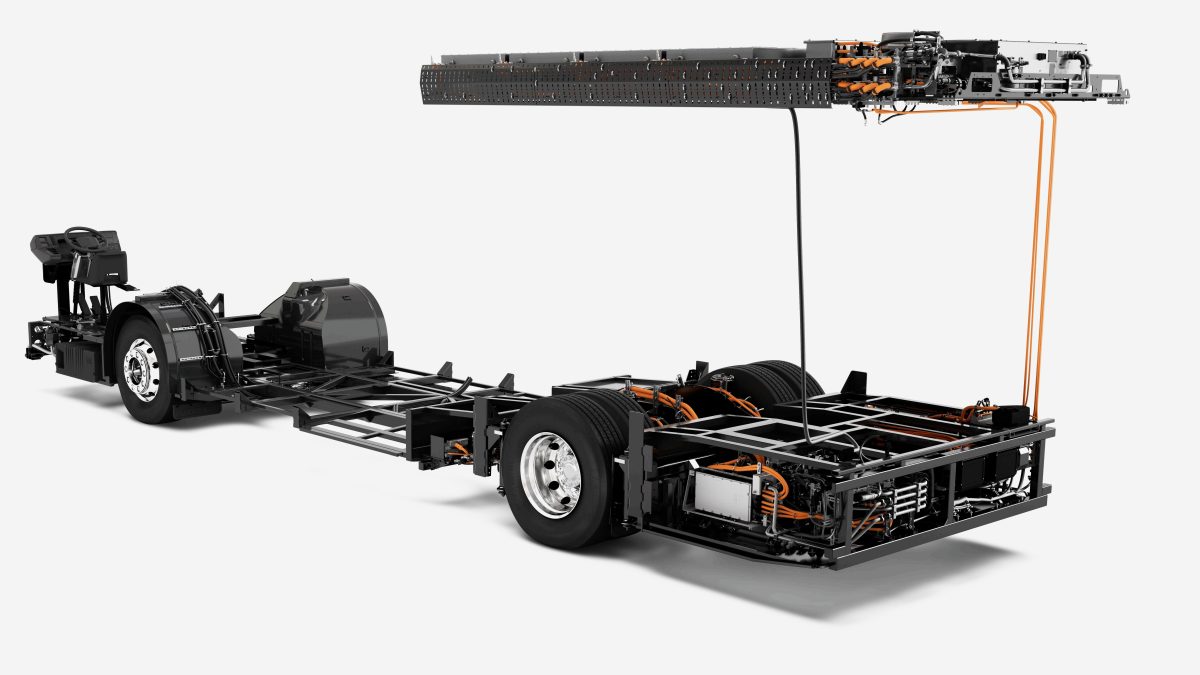
electric chassis
Electric Chassis for Buses: Current Technologies, Challenges, and Future Trends
Electric chassis for buses—including city buses, minibuses, and coaches—are reshaping public transport. They use clean technology, modular designs, and lightweight materials. Advances in batteries and powertrains are driving this shift.
Modern Technologies in Use
Most electric bus chassis use battery-electric powertrains (BEBs). They run on lithium-ion battery packs and electric motors such as PMSM or ACIM. This removes the need for diesel engines.
Some designs use modular chassis platforms built from aluminum or other light materials. These reduce weight by up to 30%, improving range and lowering costs.
Advanced suspension systems—like semi-active “skyhook” control—help keep the ride stable and comfortable. This is important when heavy batteries are mounted on the roof.
Scope of Application
Electric chassis are used in city buses, minibuses, and long-distance coaches.
Minibuses often have battery housings and chassis layouts designed for narrow streets and urban routes.
Current Challenges
The high purchase cost is still a major barrier. Charging stations and infrastructure also require large investments.
Range limits remain an issue, especially on long or high-load routes.
Some cities have pilot electric fleets, but scaling them to full operation can be hard due to costs and logistics.
Future Direction
Better batteries will improve range, durability, and cost efficiency.
Chassis will become more modular and lighter, making them easier to adapt to different bus sizes and uses.
Smart systems—such as real-time monitoring and route optimization—will improve efficiency.
More charging stations and new solutions like vehicle-to-grid (V2G) could add extra value to the grid.
Government policies and subsidies will also speed up adoption, especially in low-emission transport programs.
Conclusion
Electric bus chassis are a key part of public transport’s clean-energy shift.
As batteries, chassis designs, and infrastructure improve, electric buses—whether large or small—will become more affordable, efficient, and common on the roads.