
Critical Power Series, Pt. 2: Engineering Instant Compliance – The Core Technologies Behind Mission-Critical Aftertreatment
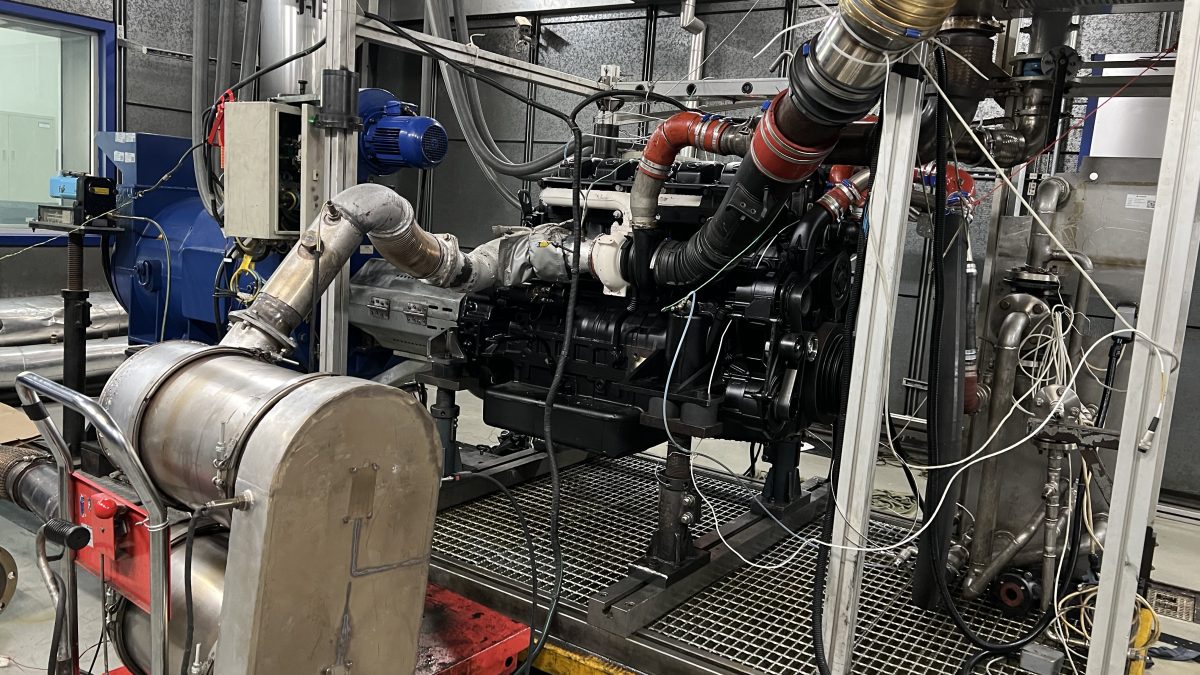
Test for engine upgrade
In Part 1 of this series, we established a fundamental paradigm shift: for AI data centers, the generator’s exhaust aftertreatment system is no longer a passive accessory but a critical link in the primary power chain. We defined the unique operational paradox—systems that must sit idle for years, yet deliver instantaneous, full-load compliance the moment a grid fault occurs.
Now, we turn to the engineering reality. How do we build a system that achieves “instant-on” compliance? What technologies are capable of transforming cold, dormant hardware into a fully active emission-control platform within seconds, all while ensuring the absolute reliability that data centers demand?
The answer lies not in a single component, but in the intelligent orchestration of robust hardware, advanced thermal management, and predictive controls. This is the engineering of instant compliance.
1. The Heart of the System: DOC, DPF, and SCR
The foundation of any Tier 4 or National VI compliant system is a three-stage architecture, each element tuned for the unique standby profile:
Diesel Oxidation Catalyst (DOC): Positioned closest to the engine outlet, the DOC targets carbon monoxide (CO) and gaseous hydrocarbons (HC). More importantly, it generates heat through oxidation and, critically for the next stage, produces nitrogen dioxide (NO₂) to assist in passive filter regeneration.
Diesel Particulate Filter (DPF): This wall-flow filter physically traps the soot and particulate matter (PM) inherent in diesel combustion. For a data center generator, the challenge is not about handling high-mileage soot loads, but managing the sporadic, low-volume soot generated during monthly tests. The DPF must be designed for exceptionally long service intervals—potentially years—without requiring active intervention.
Selective Catalytic Reduction (SCR): This is the most technically demanding stage for “instant-on” applications. The SCR injects a precise dose of Diesel Exhaust Fluid (DEF, or AdBlue) into the exhaust stream. The resulting chemical reaction converts harmful nitrogen oxides (NOx) into harmless nitrogen and water vapor. The SCR’s challenge is thermal: its catalyst requires a minimum temperature (typically above 200°C) to function efficiently.
2. The “Instant-On” Thermal Paradox
The primary obstacle to compliance is temperature. A cold SCR system, which has been sitting ambient for months, is chemically inert. If the generator starts and takes a full load immediately—as it must in a data center—the first minutes of operation could produce exhaust that is non-compliant, potentially violating permit conditions before the system has even warmed up.
To solve this, engineers deploy Active Thermal Management strategies:
Electrical Preheat Systems: High-voltage immersion heaters are embedded in the coolant system or directly in the DEF doser. These are connected to the data center’s facility power. The moment a generator test is scheduled—or within milliseconds of detecting a grid instability—these heaters can preheat the DEF doser and critical sections of the SCR, ensuring they are chemically active before the first puff of exhaust arrives.
Engine Mapping for Heat: Modern Electronic Control Units (ECUs) can be programmed with a “compliance mode” engine map. During the critical first 30-90 seconds of operation, the engine’s injection timing and fueling can be slightly adjusted to deliberately increase exhaust gas temperature, accelerating the warm-up of the downstream aftertreatment without compromising the ability to accept load.
Insulation and Heat Retention: The entire aftertreatment assembly, from the turbo outlet to the exhaust stack, is wrapped in high-performance insulation. This not only protects personnel and reduces radiated heat in the generator room but, most importantly, holds thermal energy in the system between tests, dramatically shortening the time to light-off on subsequent starts.
3. DEF Quality and System Assurance
In a standby application, the Achilles’ heel is often the Diesel Exhaust Fluid itself. DEF is a water-based urea solution that can freeze at 12°F (-11°C) and can degrade over time if exposed to high temperatures or contamination.
For data center critical power, DEF management is elevated to a science:
Heated DEF Lines and Tanks: Entire DEF delivery systems are heated and insulated, ensuring the fluid remains in a liquid, pumpable state even in sub-freezing environments. Tank heaters are typically powered continuously from facility power.
Quality Monitoring: Sophisticated sensors monitor DEF concentration and quality in real-time. The system can alert facility managers well in advance if fluid needs replacement due to age or contamination, preventing a “no-start” condition due to fluid quality.
System Redundancy: In the highest-reliability configurations, dual DEF dosing systems or redundant pumps ensure that if one component fails, the other instantly takes over, guaranteeing NOx reduction during the entire emergency run.
4. The Control Layer: Intelligence Beyond the Engine
Finally, these components are unified by a dedicated Aftertreatment Control Unit (ACU). Unlike vehicular systems where the ACU is subordinate to the engine, in a data center application, the ACU often acts as an independent safety layer. It monitors temperatures, pressures, and NOx levels across the system. It communicates directly with the facility’s Building Management System (BMS), providing real-time compliance data and predictive maintenance alerts.
This intelligence transforms the aftertreatment system from a passive filter into an active, reportable asset—one that provides the data necessary to prove compliance to regulators and the reliability required to protect the data center’s primary mission.
In the next installment, Part 3, we will explore the critical interplay between system design and facility operations. We will examine how to size aftertreatment for varying generator loads, the nuances of managing DEF in large-scale data center campuses, and the economic impact of choosing high-reliability aftertreatment over standard industrial-grade solutions.
This article is the second in a series exploring exhaust aftertreatment for critical power systems. It is informed by industry expertise which addresses advanced emission control challenges.